
Introduction
Investing with sustainability in mind has become increasingly important as we strive to protect our environment and promote a greener future. This article explores the potential of investing in sustainable honey companies, focusing on their positive environmental impact and long-term viability. It addresses the growing demand for sustainably produced honey products.
The Growing Demand for Sustainable Honey
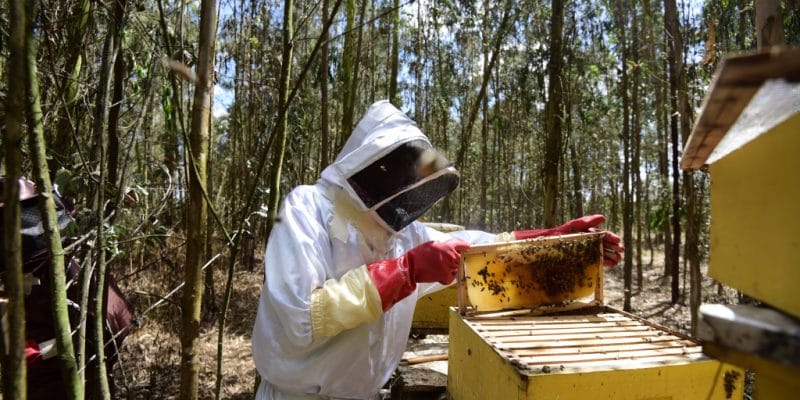
Consumer awareness regarding sustainable practices has led to an increased demand for sustainable honey products. Beyond its delicious taste, consumers are now seeking honey that is produced through eco-friendly beekeeping methods. Sustainable beekeeping not only ensures high-quality honey but also contributes to preserving ecosystems, promoting biodiversity and supporting vital pollinators such as bees.
Advantages of Investing in a Sustainable Honey Company
Environmental Impact:
Sustainable honey companies prioritise responsible land management and organic farming practices. By avoiding harmful pesticides and chemicals, they contribute positively to environmental conservation efforts while protecting local habitats.
Social Responsibility:
These companies support local communities by providing fair wages to beekeepers and engaging in community development initiatives. By investing in them, you can actively participate in socially responsible investment opportunities.
Market Potential:
Market trends indicate significant growth opportunities for sustainable honey products due to increasing consumer preferences towards environmentally friendly options. As these trends continue upward, investors can expect promising financial returns from this sector.
Long-Term Sustainability:
Sustainable honey companies implement strategies that ensure their long-term viability amidst climate change challenges like habitat loss or changing weather patterns by adapting their practices accordingly.
Risk Mitigation:
Traditional honey production methods often pose risks such as pesticide contamination or unsustainable harvesting techniques leading to reduced yields over time.
Case Study: Geohoney – Saving Bees and Preserving Nature
Mission: Geohoney is dedicated to saving nature, bees and the planet through sustainable beekeeping practices.
Initiatives: Geohoney has deployed new-patented monofloral agri-tech initiatives in the beekeeping industry. They plant diverse flowering species, avoid pesticides and support local beekeepers to save bee populations.
Sustainable Operations: Geohoney’s beekeeping operations are sustainably managed, preserving critical habitats, improving soil health, protecting watersheds and enhancing water quality.
Education & Support: Geohoney educates communities about the importance of bees while providing a platform for local beekeepers to sell their products. They also promote waste reduction efforts and carbon footprint reduction.
Environmental Impact: By designing self-sustainable programs, Geohoney protects air, land, climate and water resources for future generations while contributing to food security goals.
Geohoney has made significant contributions to environmental conservation through initiatives like reforestation projects and restoring pollinator habitats. They prioritise fair trade principles by providing employment opportunities for local beekeepers. With a focus on sustainability, quality honey production and environmental preservation—Geohoney sets itself apart in the industry.
How to Evaluate Sustainable Honey Companies for Investment
When evaluating sustainable honey companies for investment, consider the following factors:
Financial Performance Metrics:
Analyze key financial indicators such as revenue growth rate, profit margins, return on investment (ROI) specific to the chosen case study or general metrics applicable across the industry.
ESG Factors (Environmental Social Governance):
Assess a company’s commitment to environmental sustainability, social responsibility and strong governance practices. Look for relevant ESG metrics such as carbon footprint reduction initiatives or fair trade certifications.
Competitive Analysis:
Compare the chosen case study with other sustainable honey companies in terms of market share, product differentiation, distribution channels and overall brand reputation.
Conclusion
Investing in a sustainable honey company not only offers potential financial returns but also contributes positively towards building a greener future. By supporting environmentally conscious businesses that prioritise responsible land management and community development initiatives while producing high-quality honey products sustainably; investors can align their investments with their values. Let’s work together towards a greener tomorrow by making mindful investment choices that benefit both our planet and society at large.
 Business News