
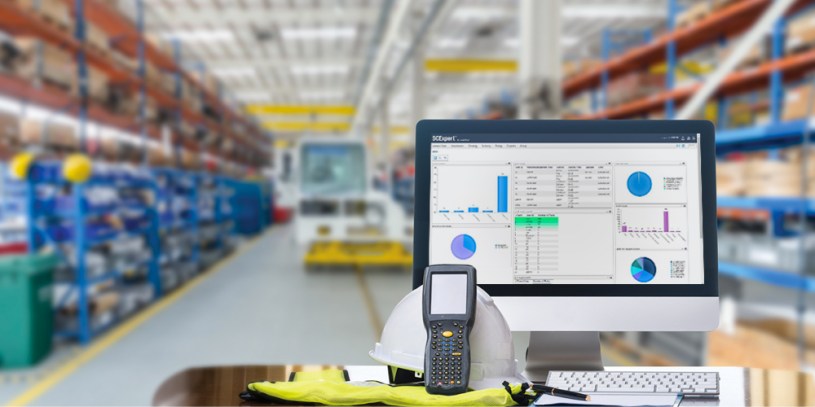
Warehouse management systems (WMS) are essential for optimizing warehouse space utilization. By making efficient use of space, wms can lead to reduced costs, increased productivity, and improved inventory management. These systems help streamline operations, ensuring that every inch of the warehouse is used effectively. This optimization not only maximizes storage capacity but also enhances the overall efficiency and workflow within the warehouse.
Let us delve into the five vital ways how WMS helps optimize warehouse space utilization.
Automated slotting
WMS uses automated slotting to determine the best storage locations for products. By analyzing product dimensions, weight, and turnover rates, the system assigns optimal locations, maximizing space efficiency and ensuring easy access.
Dynamic storage
WMS supports dynamic storage, allowing flexible placement of items. Unlike fixed storage, where each item has a designated spot, dynamic storage allocates space based on current needs. This adaptability helps make the most of available space.
Real-time inventory tracking
WMS provides real-time inventory tracking, ensuring accurate knowledge of stock levels and locations. This precision helps in organizing the warehouse efficiently, reducing the need for excess storage space and avoiding clutter.
Cross-docking
WMS facilitates cross-docking, a process where incoming goods are directly transferred to outbound shipments without being stored for long periods. This reduces the need for storage space and speeds up the distribution process.
Space utilization analysis
WMS offers space utilization analysis, providing insights into how warehouse space is used. This analysis helps identify underutilized areas and suggests improvements. By continually assessing space utilization, businesses can reorganize layouts to maximize efficiency.
Final words
Warehouse management systems are crucial for optimizing warehouse space utilization. Through automated slotting, dynamic storage, real-time inventory tracking, cross-docking, and space utilization analysis, WMS helps warehouses use their space more effectively. Implementing a WMS will lead to reduced costs, improved productivity, and better overall warehouse management, making it an invaluable tool for any business.
 Business News