
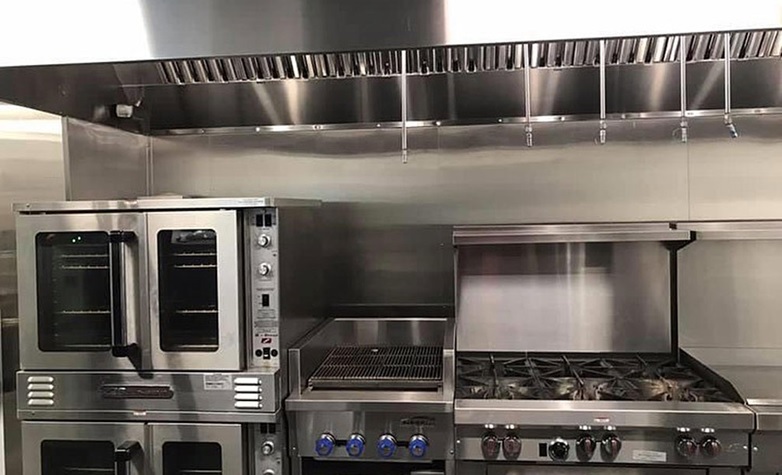
When thinking about fire safety, many business owners focus on fire alarms, sprinklers, and extinguishers. However, for restaurants, commercial kitchens, and businesses dealing with cooking equipment, having a comprehensive fire safety plan must also include regular hood cleaning and properly maintained fire suppression systems. These elements are critical for reducing fire risks and ensuring compliance with safety regulations.
1. The Importance of Hood Cleaning
Commercial kitchen exhaust hoods play a key role in removing heat, smoke, and grease-laden vapors generated during cooking. Over time, grease and grime can accumulate in the exhaust hood, filters, and ducts. This buildup creates a highly flammable environment, increasing the risk of fire. Even a small flare-up on a stove or grill can ignite the grease in the hood, leading to a dangerous and potentially catastrophic fire.
Regular hood cleaning is essential for minimizing this risk. According to fire codes, commercial kitchens should schedule hood cleaning based on usage, with high-volume kitchens needing monthly or quarterly cleanings. Professional cleaning services ensure that all grease and debris are removed from the hood, filters, and ductwork, significantly reducing the chance of a fire starting or spreading.
2. The Role of Fire Suppression Systems
In addition to hood cleaning, having a well-maintained fire suppression system in place is critical. These systems are designed to automatically activate when a fire is detected in the cooking area, such as on the stovetop or under the hood. Most kitchen fire suppression systems use chemical agents specifically designed to suppress grease fires by smothering the flames and cooling down hot surfaces.
When a fire breaks out, the suppression system releases the extinguishing agent directly over the cooking appliances, preventing the fire from spreading to other parts of the kitchen or building. Additionally, many systems are linked to the kitchen’s gas supply and automatically shut off the gas when activated, further reducing fire risks.
3. Combining Hood Cleaning and Suppression Systems
A comprehensive fire safety plan for any commercial kitchen requires both regular hood cleaning and a reliable suppression system. While hood cleaning prevents grease buildup and minimizes fire risks, a suppression system acts as an active safeguard, extinguishing any fire that does occur before it can escalate. Together, these two elements provide the protection needed to keep your kitchen safe and compliant with fire safety regulations.
Investing in both is not just a matter of safety—it’s a legal requirement that protects your business, employees, and customers.
This post was written by a professional at Dade Fire Protection. Dade Fire Protection offers comprehensive fire protection solutions in the Dade County area tailored to meet your business needs. Our expert team provides services including hood cleaning, fire alarms, fire extinguishers, fire sprinklers, fire suppression systems, FM200 systems, and backflow prevention. With years of experience and a commitment to excellence, we ensure full compliance with safety regulations and preparedness for fire emergencies. Whether you’re searching for hood vent cleaning near you, a fire extinguisher inspection company near you, or reliable fire protection services near you, Dade Fire Protection has you covered. Contact us today to schedule your consultation.
 Business News