
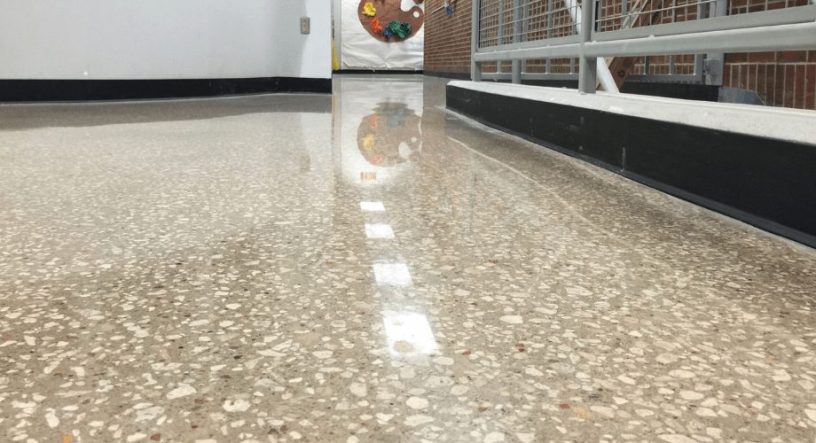
Commercial flooring is typically used in high-traffic areas, such as retail stores and restaurants. Commercial floors can be made of a variety of materials, such as wood, tile, or stone. Wood is one of the most common materials used in commercial flooring because it is durable and easy to maintain.
Flooring for your commercial business is a very important part of any business. It provides a warm and welcoming atmosphere for customers to enter your shop or business. The floors can also help you to create the illusion of space, especially when used in conjunction with cubicles or storage areas.
Commercial flooring is not just a cheap alternative to installing hardwood floors in your business. It is a good investment and can add value to your business. Here are several advantages to using commercial flooring in your office or restaurant:
Durability
The advantages of commercial flooring are many and varied. The most important advantage is its durability.
Commercial floors are designed for heavy-traffic areas where they will need to withstand wear and tear from thousands of steps each day. The density of the weave used in these floors allows them to hold up well under pressure while still giving off a soft underfoot feel.
Easy to clean
Commercial flooring is easy to clean, which means you don’t have to worry about keeping your floors clean all day long. You don’t need special tools or equipment to clean this type of flooring, so you won’t have any clean-up costs associated with it either.
If you have a spill or stain, you can easily mop it up with a damp rag or sponge. Commercial flooring is made from durable materials that can withstand heavy use without warping or cracking.
It Is Versatile
Commercial floors can be manufactured in a wide variety of materials such as porcelain, ceramic tile, vinyl, and carpeting. This versatility allows the manufacturer to create an attractive floor that will last for years without needing frequent refinishing or replacement.
Easy maintenance
Commercial floors can be cleaned with chemicals or steam mops, which makes them easy to maintain. Hardwood floors require extensive scraping and sanding, which can become very time consuming if you have many employees working on the floor at once.
Stronger
Commercial floors are made from solid particle boards that are made from recycled materials, so they are stronger than softwood or hardwood flooring. The particle boards may also have increased fire resistance for safety purposes.
Conclusion
Commercial flooring does have its advantages and benefits, especially for those who run a business. It is not just about aesthetics, the floors also provide economic and structural benefits as well. The commercial flooring works best in areas that are heavily traveled.
It has proved to be beneficial in protecting against wear and tear that comes from feet moving around the area. It is mostly used in areas where there will be heavy foot traffic. Commercial installers have perfected the use of this type of flooring, enabling it to perform better with each passing day.
 Business News